شحن وتركيب مجاني لأول طلب
This guide covers 6 3kwh 24v battery actually in stock, priced from 1500 to 2200 SAR. A 3kWh pack delivers about 2.7kWh usable in lithium chemistry, and that is the figure that sets runtime. 24V is a practical middle ground for mid-size loads: lower current than 12V, thinner cables, and plenty of inverters at this voltage.
Prices are in Saudi riyals as shown on the product pages, and specifications are taken from the product data itself.
| Product | Specifications | Price (SAR) |
|---|---|---|
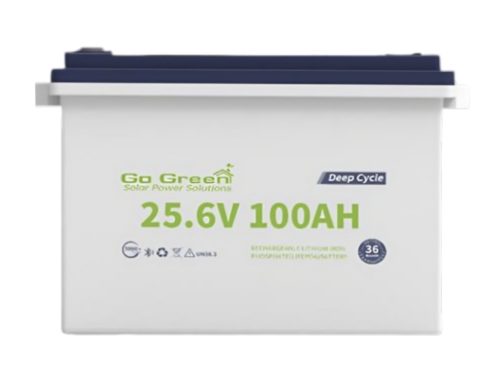
| بطارية ليثيوم طاقة شمسية متطورة Go Green) – 25.6V / 100Ah) | 24V / 100Ah / 2.4kWh | 1500 |
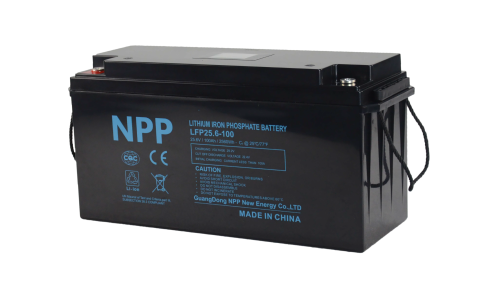
| بطارية NPP ليثيوم - 25.6 فولت 100 امبير-ساعة (LiFePO4) | 24V / 100Ah / 2.4kWh | 1600 |
| بطارية ليثيوم GO GREEN 120A /25.6V | 24V / 120Ah / 2.9kWh | 1629 |
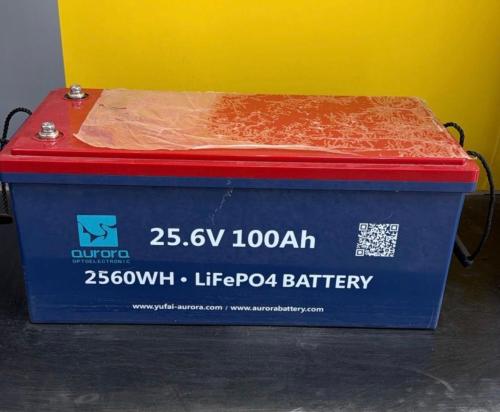
| بطارية 100A Aurora 24V ليثيوم LiFePO4 | 24V / 100Ah / 2.4kWh | 1800 |
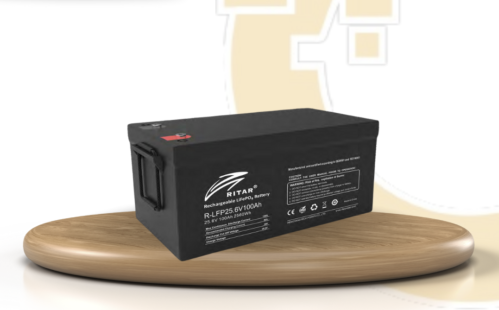
| بطارية الليثيوم LiFePO4 القابلة لإعادة الشحن- 25.6 فولت, 100 امبير | 24V / 100Ah / 2.4kWh | 2000 |
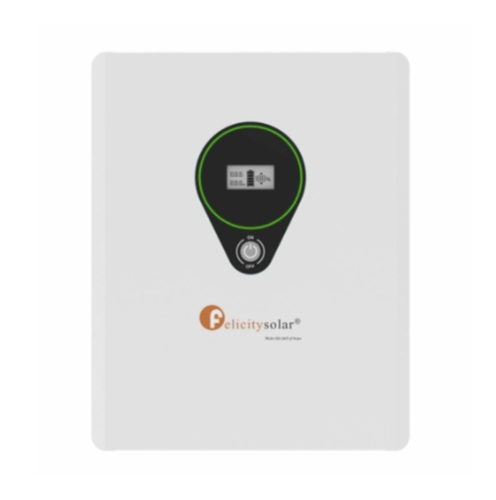
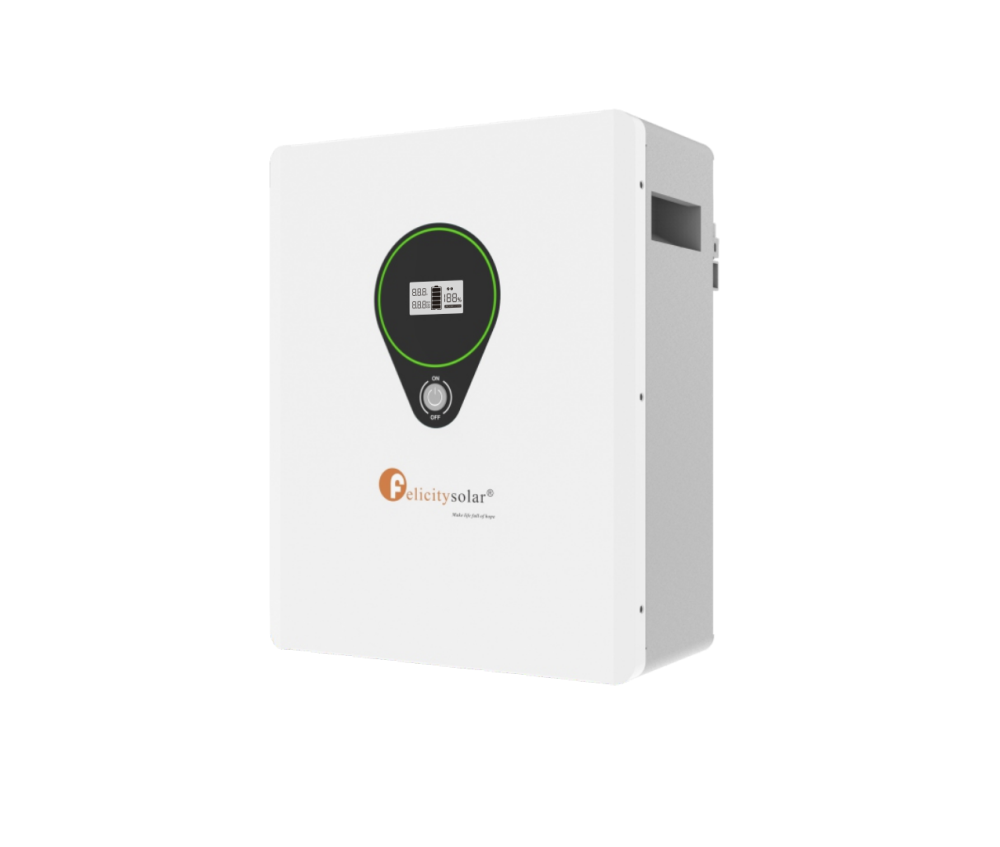
| بطارية Felicity ليثيوم بقدرة 2.5 كيلو واط-ساعة وجهد 24 فولت | 24V / 100Ah / 2.5kWh | 2200 |
Formula: usable energy divided by load. Figures are estimates and drop 10-15% in high heat or at high discharge current.
| Load | Expected runtime |
|---|---|
| 0.5 kW | 5.4 h |
| 1 kW | 2.7 h |
| 2 kW | 1.4 h |
| 3 kW | 0.9 h |
| 5 kW | 0.5 h |
24V is a practical middle ground for mid-size loads: lower current than 12V, thinner cables, and plenty of inverters at this voltage.
Mount in shade with airflow around the enclosure, set charge and cut-off voltages to the manufacturer's figures, and never mix lithium packs of different ages or capacities on the same bus.
Use cable sized for the current with a short run between bank and inverter, plus a breaker or fuse on the positive terminal. Thin cable and long runs are the number-one cause of poor performance wrongly blamed on the battery.
Start from daily kWh and the hours you need, then divide by allowed depth of discharge (0.9 lithium, 0.5 gel) to get required nameplate capacity.
Fix the system voltage from your inverter, then compare options on price per usable kWh rather than price per unit.
Usable energy is about 2.7kWh, roughly 3 hours at a 1kW load and about 1.4 hours at 2kW.
24V is a practical middle ground for mid-size loads: lower current than 12V, thinner cables, and plenty of inverters at this voltage.
Options in this class start at 1500 SAR and reach 2200 SAR; the final price is shown on each product page.
Yes - send your load list and required hours over WhatsApp and we size the bank at no cost.
Internal page ID: EN-BAT-000081